The Hordesman wrote:Ive long wondered of the size of a longboat- how large was the largest longboat known? Also, how did they unship horses and cattle? Im not an expert on ships(well, I just got little knowledge here and there), so I would be happy to know this, and if they used any other sort of ships.
I visited a viking museum for a time ago, and it was said that each member of the Lid (elite army that serves as bodyguard of the Jarl) had his own horse, experts differ in matter if they used cavalry or horses as transport, but a horse was surely a luxury. Since most civilians didnt have horses at this time, I think they could have had cavalry. Though Im unsure since vikings are not known for weapons that are effective from horseback- two-handed axes, short swords and at some occasions warhammers. They did use spears, pikes and of course throwing axes, javelins and bows, but who didnt at that time?
This sounds like a mystery for TTK!

Vikings usually spoke of boats in terms of oars, or benches, rather than in some unit of quantifiable measurement. The bigger ones were about 100 feet if I remember correctly, but there were some rare flagships that got much bigger (Canute's, for example).
Unshipping livestock was usually via a ramp. There were deeper-bellied merchantmen that may have required some form of crane-and-sling arrangement, but I'm not familiar enough with that aspect to have a firm answer without checking my sourcebooks. Longships were shallow draft and could pulled up onto shore, so getting animals off wasn't as involved as would be with a cog, for example.
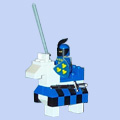
Vikings did not go much into cavalry for set-piece battles. Usually they were fighting far away from home, and lugging about horses took away from space that could used for lugging about warriors. They didn't look down upon cavalry - Vikings were pragmatic and used whatever gave them an advantage. If cavalry was available, they'd use it. Certainly on raids they would fight from horseback. A king's or jarl's retinue would probably have horses, but that was often a function of the way that Viking society worked. A leader would move around, and preferable swiftly, to keep an eye on his various underlings (it was more of a function of them needing horses in their own lands rather than for warfare abroad). They were quite happy to capture local horses and use them for raiding further inland.
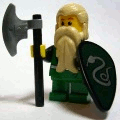
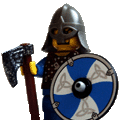
Vikings used a variety of weapons, most of which could be used from horseback. Spears (but not pikes) were cheap and common. Axes were easier and cheaper to make than a decent sword, and came in a variety of shapes and intents (single-handed, throwing styled, two-handed - I love making these out of standard LEGO pieces). Swords were probably the most valued - they tended to be medium length to long, not short. Bows were accepted as manly, but not overwhelmingly prevelant. They were fairly long - some historians believe Viking bows may have been the precussors to the later welsh longbow (and therefore the even latter english longbow). Hammers weren't really part of their repetoire (despite Thor and Marvel comics). Really, the only thing that would be especially difficult from horseback would be the two-handed great axes, and men who had those usually had a sword or single-handed axe as a back-up weapon.



 ).
).